



Shielded vs. Unshielded Cat Cables: Unraveling the Wired Difference!

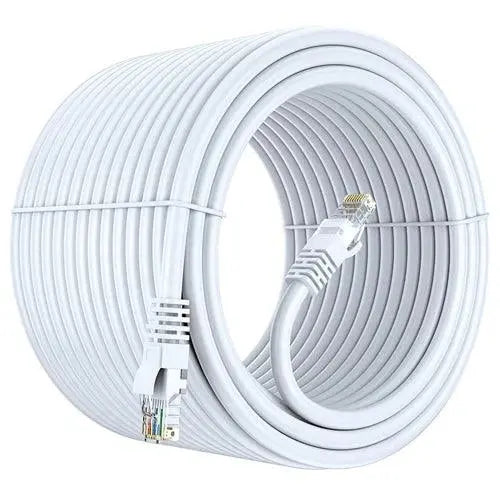
In the world of networking, choosing the right cables can make a big difference in performance, reliability, and cost. Two common types of Ethernet cables are shielded (STP) and unshielded (UTP) Category (Cat) cables.
What Are Shielded and Unshielded Cat Cables?
-
Shielded Cat Cables (STP):
These cables include an additional layer of metal shielding around the wires inside. The shield protects the cable from electromagnetic interference (EMI), which can come from nearby electronic devices, power lines, or heavy machinery. -
Unshielded Cat Cables (UTP):
UTP cables do not have extra shielding. Instead, they rely on the twisted-pair design of the wires inside to reduce interference. This makes them lighter, more flexible, and easier to install.
Key Differences Between Shielded and Unshielded Cables
|
Feature |
Shielded (STP) |
Unshielded (UTP) |
|
Interference Protection |
Excellent for high-EMI environments |
Moderate; suitable for low-EMI areas |
|
Cost |
Generally more expensive |
More budget-friendly |
|
Installation |
Requires grounding and is less flexible |
Easier to install and manage |
|
Durability |
Resilient in harsh conditions |
More prone to interference in challenging environments |
How They Impact Your Network
- Performance in High-Interference Environments
If your network operates in an area with high EMI, such as near industrial equipment, radio towers, or data centers, shielded cables are essential. They ensure signal integrity by blocking external interference, which leads to more stable and faster data transmission.
On the other hand, UTP cables work perfectly in residential or small office setups where EMI is minimal. They are efficient for everyday use and offer reliable speeds without the added cost of shielding.
- Cost and Budget
Shielded cables are more expensive because of the extra material and manufacturing process. Additionally, they require proper grounding to function correctly, which can increase installation costs. UTP cables, being simpler, are a cost-effective solution for projects with tight budgets.
- Ease of Installation
UTP cables are lighter and more flexible, making them easier to route through tight spaces. Shielded cables, with their thicker and less flexible design, can be challenging to handle during installation. Plus, improper installation of STP cables can negate their shielding benefits.
- Durability in Harsh Conditions
For outdoor or industrial environments, STP cables are better suited because their shielding protects against environmental factors like weather and EMI. UTP cables are not ideal for such conditions and may degrade faster when exposed to harsh environments.
Choosing the Right Cable for Your Needs
Here are some general guidelines to help you decide:
- Go for Shielded (STP) Cables if:
- Your network is in a high-interference area.
- You’re installing cables outdoors or in industrial environments.
- Performance and reliability are top priorities.
- Opt for Unshielded (UTP) Cables if:
- Your network is in a low-EMI environment, such as a home or small office.
- You need a cost-effective and easy-to-install solution.
- You don’t require heavy-duty durability.
Final Thoughts
The choice between shielded and unshielded Cat cables depends on your specific network environment and requirements. While shielded cables excel in protecting against interference and maintaining performance, unshielded cables offer simplicity, affordability, and ease of use. Assess your needs carefully to ensure your network stays fast, reliable, and efficient.
By making an informed decision, you can avoid unnecessary costs and performance issues, ensuring your setup is optimized for success!