


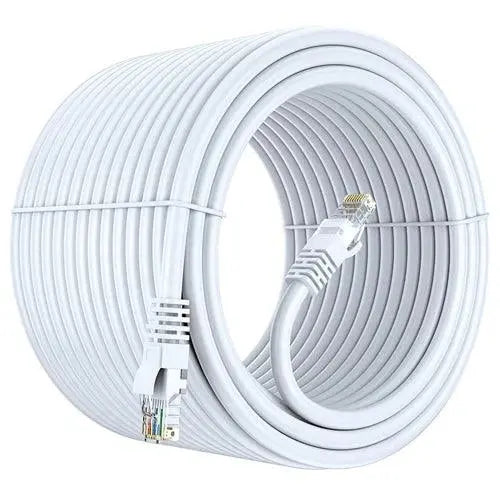

The Rise of 10G Ethernet: Revolutionizing Networking and Data Transmission

In the world of networking, the rise of 10G Ethernet is a monumental shift that has significantly changed the landscape of how we transmit data. Ethernet has been the cornerstone of local area networks (LANs) for decades, and its evolution from 1G to 10G (10 Gigabit Ethernet) marks a key development in meeting the increasing demand for faster and more efficient connectivity. This blog delves into the reasons behind the surge of 10G Ethernet, the factors fueling its growth, and the impact it has on industries, businesses, and consumers.
What is 10G Ethernet?
Ethernet, a family of networking technologies, has evolved over the years to meet the growing needs of the digital world. It began with 10BASE-T, delivering speeds of 10 megabits per second (Mbps), but now, 10G Ethernet supports speeds of 10 gigabits per second (Gbps). It is a high-speed, fiber-optic, and copper-based technology that allows devices to transmit data at 10 times the speed of traditional Gigabit Ethernet (1G Ethernet).
10G Ethernet is primarily used for high-performance data centers, enterprise networks, and high-speed internet service providers. It is an essential technology in supporting everything from cloud services to online gaming, video streaming, and large-scale data analysis.
The Growing Need for Speed and Bandwidth
As the internet continues to evolve, the demand for speed and bandwidth is accelerating. With the rise of cloud computing, Internet of Things (IoT), artificial intelligence (AI), and the increasing consumption of data-heavy applications such as 4K/8K video streaming, virtual reality, and augmented reality, the need for faster and more reliable data transmission has never been more urgent.
The adoption of 10G Ethernet is driven by the following factors:
- Data-Intensive Applications: In the age of big data, applications such as machine learning, AI, and video conferencing require rapid data processing. 10G Ethernet facilitates the seamless transfer of massive data packets, enabling businesses to improve productivity and enhance user experiences.
- Cloud Computing and Storage: The rapid adoption of cloud-based services has placed additional strain on traditional network infrastructures. With data hosted in the cloud and users accessing it remotely, it’s crucial to have a robust network that can handle the increased data flow. 10G Ethernet meets this challenge by supporting faster data transmission, improving the reliability and performance of cloud services.
- High-Definition Video and Multimedia: The demand for high-quality media content continues to rise. With the growth of 4K, 8K, and immersive virtual reality (VR) content, faster internet speeds are required to stream, download, and process media without buffering or delays. 10G Ethernet ensures smoother streaming and faster content delivery, making it ideal for media companies and service providers.
- Enterprise Networking: For large businesses with extensive networks, the speed and capacity offered by 10G Ethernet is indispensable. It allows multiple users, departments, and applications to operate simultaneously without congestion. This high level of bandwidth is essential for internal communications, data analysis, and enterprise resource planning (ERP) systems.
Technologies Enabling 10G Ethernet
Several technological advancements have made 10G Ethernet both possible and more affordable. These include:
- Fiber Optic Cables: Fiber optics are key to achieving the high speeds that 10G Ethernet promises. Optical fibers allow for the transmission of data over long distances with minimal signal degradation, making them ideal for both enterprise networks and data centers. Advances in fiber optic technology, such as single-mode and multi-mode fiber, have played a crucial role in the proliferation of 10G Ethernet.
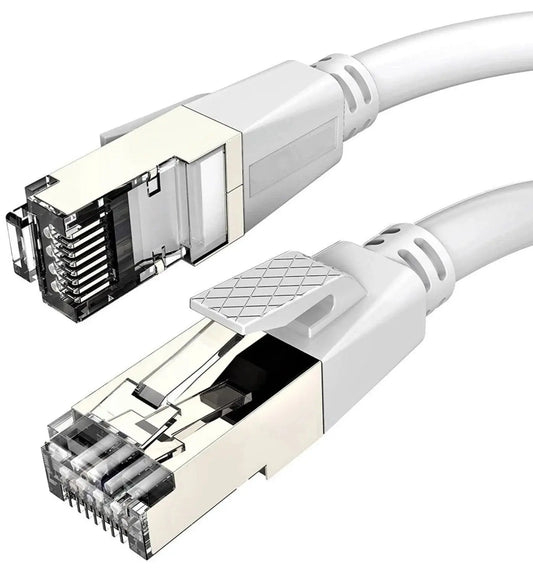
- Improved Copper Cables (Cat 6a and Cat 7): While fiber optics dominate the long-distance transmission, 10G Ethernet also relies on copper cables for shorter-distance networking. Category 6a (Cat 6a) and Category 7 (Cat 7) cables, capable of supporting 10 Gbps speeds, have made 10G Ethernet more accessible for businesses and consumers without requiring extensive fiber optic installations.
- Switches and Routers: Modern switches and routers are designed to handle the massive data throughput that comes with 10G Ethernet. These devices are equipped with advanced hardware and software that ensure smooth data delivery and network management, ensuring minimal latency and congestion.
The Impact of 10G Ethernet on Industries and Businesses
The adoption of 10G Ethernet has far-reaching implications for various industries. Below are some of the sectors that benefit the most:
- Data Centers: One of the primary beneficiaries of 10G Ethernet is the data center industry. Data centers handle vast amounts of data on a daily basis, and 10G Ethernet allows them to process and store this data more efficiently. Whether it's cloud storage, server farms, or content delivery networks (CDNs), faster Ethernet speeds are essential for handling peak traffic loads.
- Telecommunications: Telecommunication companies are rapidly adopting 10G Ethernet to enhance their internet infrastructure. The increased speeds allow for better network management and more reliable service for customers, especially in urban areas where high-speed internet is in high demand. Additionally, 10G Ethernet helps telecoms provide gigabit internet access to homes and businesses.
- Healthcare: Healthcare organizations are increasingly relying on high-speed internet for telemedicine, patient data storage, and real-time diagnostics. The ability to transfer large medical images (like MRI scans or X-rays) and access electronic health records (EHR) quickly and securely is critical in delivering timely care. 10G Ethernet provides the necessary bandwidth for these applications to run smoothly and efficiently.
- Finance: Financial institutions rely on ultra-low latency, high-speed data networks for stock trading, market analysis, and real-time transaction processing. 10G Ethernet enables these institutions to process large volumes of transactions and respond quickly to market changes, giving them a competitive advantage in the fast-paced world of finance.
- Entertainment and Media: Streaming platforms, gaming companies, and content creators need ultra-fast connections to deliver high-definition video and interactive content to global audiences. 10G Ethernet ensures that consumers can enjoy uninterrupted streaming, seamless gaming experiences, and real-time content delivery across multiple platforms.
The Future of 10G Ethernet
While 10G Ethernet is currently a major breakthrough, the future promises even faster speeds and more advanced networking technologies. The next step is the development of 100G Ethernet, which is already in use in large-scale data centers and for high-performance computing tasks. However, 10G Ethernet is expected to remain a key player for businesses and consumers alike for the foreseeable future.
Furthermore, the adoption of 5G networks will likely complement 10G Ethernet, providing high-speed mobile internet to users while relying on 10G Ethernet in the back-end infrastructure for data transfer. This synergy will continue to support the growing demand for ultra-fast, low-latency internet services worldwide.
Conclusion
The rise of 10G Ethernet is a testament to the relentless pursuit of faster, more efficient data transmission. From supporting data-intensive applications to transforming industries like telecommunications, healthcare, and finance, 10G Ethernet is becoming an essential tool for businesses and consumers alike. As the digital world continues to evolve, the demand for high-speed connectivity will only increase, and technologies like 10G Ethernet will be at the forefront, shaping the future of networking and communication.
Embracing 10G Ethernet today means preparing for the technological advancements of tomorrow, ensuring that networks are ready to handle the demands of an increasingly connected and data-driven world.